Is Biocide Spray Safe for Plants and Pets?
It is a fair and responsible question. A roof drains straight onto the garden below, where children play, pets roam, and plants grow, so anything sprayed up there could end up down here. Homeowners are right to ask whether a roof treatment is safe before it is applied, and the answer depends heavily on what is being used. There is a world of difference between a harsh chemical and a non-toxic biocide chosen with exactly these concerns in mind.
This guide explains whether roof biocide spray is safe for plants and pets, what non-toxic means in practice, and how careful application protects your garden.
The Key Distinction: Non-Toxic Biocide vs Harsh Chemicals
Not everything sprayed on a roof is the same, and the safety question turns on this distinction. Harsh chemicals and homemade bleach mixes are genuinely risky: they can scorch or kill plants, harm pets, and run into drains. These are exactly the substances that careful cleaners avoid, precisely because of the danger they pose to gardens and animals.
A non-toxic biocide is a different thing. It is chosen to be safe around landscaping, pets, and property, and formulated to slow organic growth on the roof rather than to act as an aggressive chemical. When people worry about roof treatments harming their garden, they are usually picturing the harsh chemicals, not the non-toxic biocide that responsible cleaners actually use. Getting this distinction clear is the first step to understanding the safety.
How Careful Application Protects Your Garden
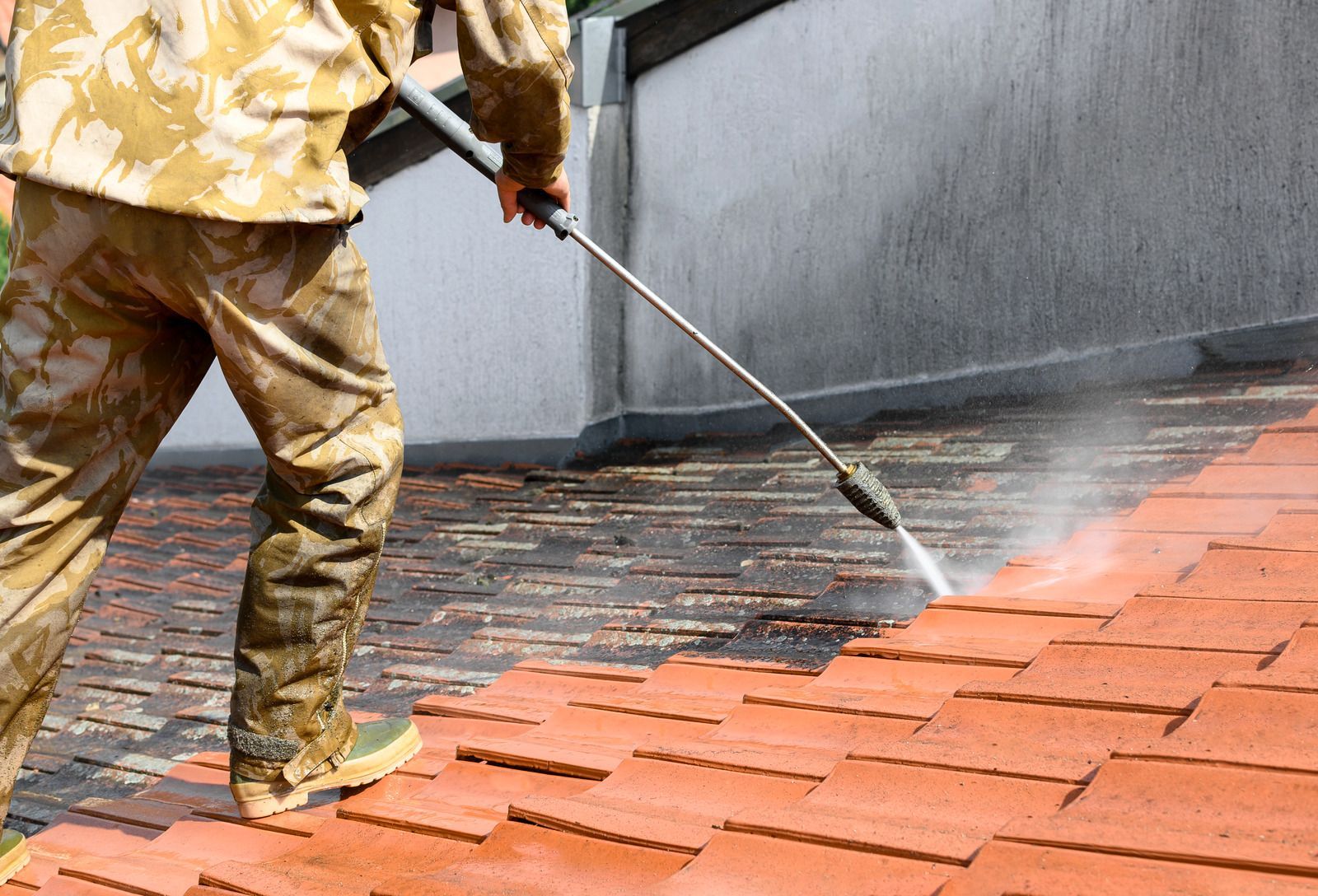
Choosing a non-toxic biocide is the foundation of safety, and careful application builds on it. A responsible cleaner applies the biocide in a controlled way, targeting the roof surface and taking care to avoid unnecessary runoff onto plants and borders below. The aim is to treat the tiles, not to douse the garden.
This combination, a non-toxic product applied with care, is what keeps the treatment safe for the plants, pets, and people around the property. It is the opposite of an indiscriminate spraying of harsh chemicals that soak the garden as much as the roof. A
Roof Cleaning that finishes with a non-toxic biocide applied carefully is designed to protect the roof and the garden together.
Tip: If you have particularly sensitive plants, ponds with fish, or specific concerns about pets, mention them before the treatment. A careful cleaner can take extra precautions around those areas. Being upfront about what matters to you in the garden lets the application be planned to protect it.
What This Means for Pets and Children
The same principles that protect plants protect pets and children. A non-toxic biocide chosen to be safe around property and applied carefully to the roof is not the hazard that a harsh chemical would be. Even so, sensible precautions are still worth taking around any treatment, such as keeping pets and children away from the immediate area during application, simply as good practice.
The reassuring point is that the whole approach, non-toxic product, careful application, avoidance of harsh chemicals, is built around the reality that a roof shares its runoff with the family space below. Responsible roof cleaning takes that seriously, which is why the treatment is chosen and applied with plants, pets, and people in mind rather than treated as an afterthought. Keeping the Gutter Cleaning clear also helps manage where roof runoff goes.
Why Homemade Alternatives Are the Real Risk
It is worth being direct about where the genuine danger lies. The riskiest roof treatments are not the professional non-toxic biocides but the homemade bleach and chemical mixes some people apply themselves. These can scorch lawns and borders, harm pets and wildlife, produce harmful fumes, and enter drains, and they are often applied without care for runoff.
So the safest choice for a garden is usually a professional clean with a non-toxic biocide, not a do-it-yourself chemical approach. In our 15 years on Sussex roofs, using a non-toxic biocide applied with care has allowed us to protect roofs without harming the gardens they drain onto, which is exactly what homeowners are right to expect.
A non-toxic roof biocide is chosen to be safe around plants, pets, and property, and applied carefully to avoid runoff onto gardens. This is quite different from harsh chemicals or homemade bleach mixes, which can scorch plants and harm pets. Responsible cleaners use a targeted, non-toxic biocide and take care with application, so the treatment protects the roof without harming the garden or the animals in it.
Frequently Asked Questions
Will roof biocide harm my plants?
A non-toxic biocide chosen to be safe around landscaping and applied carefully to avoid runoff is designed not to harm plants. The real risk to gardens comes from harsh chemicals and homemade bleach mixes, which careful cleaners avoid for this reason. If you have particularly sensitive plants or a pond, mention them beforehand so extra care can be taken around those areas during application.
Is it safe for my pets to be in the garden after treatment?
A non-toxic biocide applied carefully is chosen to be safe around pets, but as sensible practice it is worth keeping pets away from the immediate area during application. Ask your cleaner about any specific precautions for the product used and whether there is any period to keep pets off the treated area. The whole approach is built around the roof sharing runoff with the family space below.
How is roof biocide different from bleach?
A roof biocide used responsibly is non-toxic and chosen to be safe around plants, pets, and property, and applied to slow growth gradually. Bleach and homemade chemical mixes are harsh, can scorch plants and harm pets, produce fumes, and run into drains. Careful cleaners avoid bleach for exactly these reasons and use a targeted, non-toxic biocide instead, which is far safer for your garden.
Can biocide run off into my pond or drains?
Careful application targets the roof and avoids unnecessary runoff, and a non-toxic biocide is chosen with the roof's drainage onto the garden in mind. If you have a pond, particularly with fish, flag it beforehand so extra care can be taken around it. This is another reason harsh chemicals are avoided, since they pose a far greater risk to ponds and drains than a non-toxic biocide applied with care.
Is professional treatment safer for my garden than doing it myself?
Usually, yes. The main danger to gardens comes from homemade bleach and chemical mixes applied without care for runoff. A professional clean uses a non-toxic biocide chosen to be safe around plants and pets and applies it carefully. So the professional route is generally safer for your garden than a do-it-yourself chemical approach, as well as safer for you than working at height.
Protect your roof and your garden — Book a clean finished with a non-toxic biocide applied carefully around plants and pets. Ben's Roof Cleaning avoids harsh chemicals entirely. Call 0117 456 2272.
Safe by Choice and by Care
Is biocide spray safe for plants and pets? When it is a non-toxic biocide chosen to be safe around landscaping and applied carefully to avoid runoff, yes, and that is exactly what responsible roof cleaning uses. The genuine risks to gardens and animals come from harsh chemicals and homemade bleach mixes, which careful cleaners deliberately avoid. Because a roof drains onto the family space below, safe treatment means both the right product and careful application, protecting the garden, the pets, and the people while the roof is kept clear. Ask what is being used and how, and a good cleaner will have a reassuring answer.