How Does Biocide Prevent Moss From Returning?
Clean a roof and it looks perfect, but the spores that grew the moss are still in the air, and the shade and damp that fed it have not changed. Left to itself, that cleaned roof is simply a fresh, empty surface waiting to be colonised again. This is the problem biocide solves, and it does so not by cleaning harder but by changing what happens to spores after they land. Understanding the mechanism explains why biocide is the key to a lasting result.
This guide explains how biocide prevents moss from returning, what it does at the surface, and why its ongoing action matters so much.
Cleaning Removes, Biocide Prevents
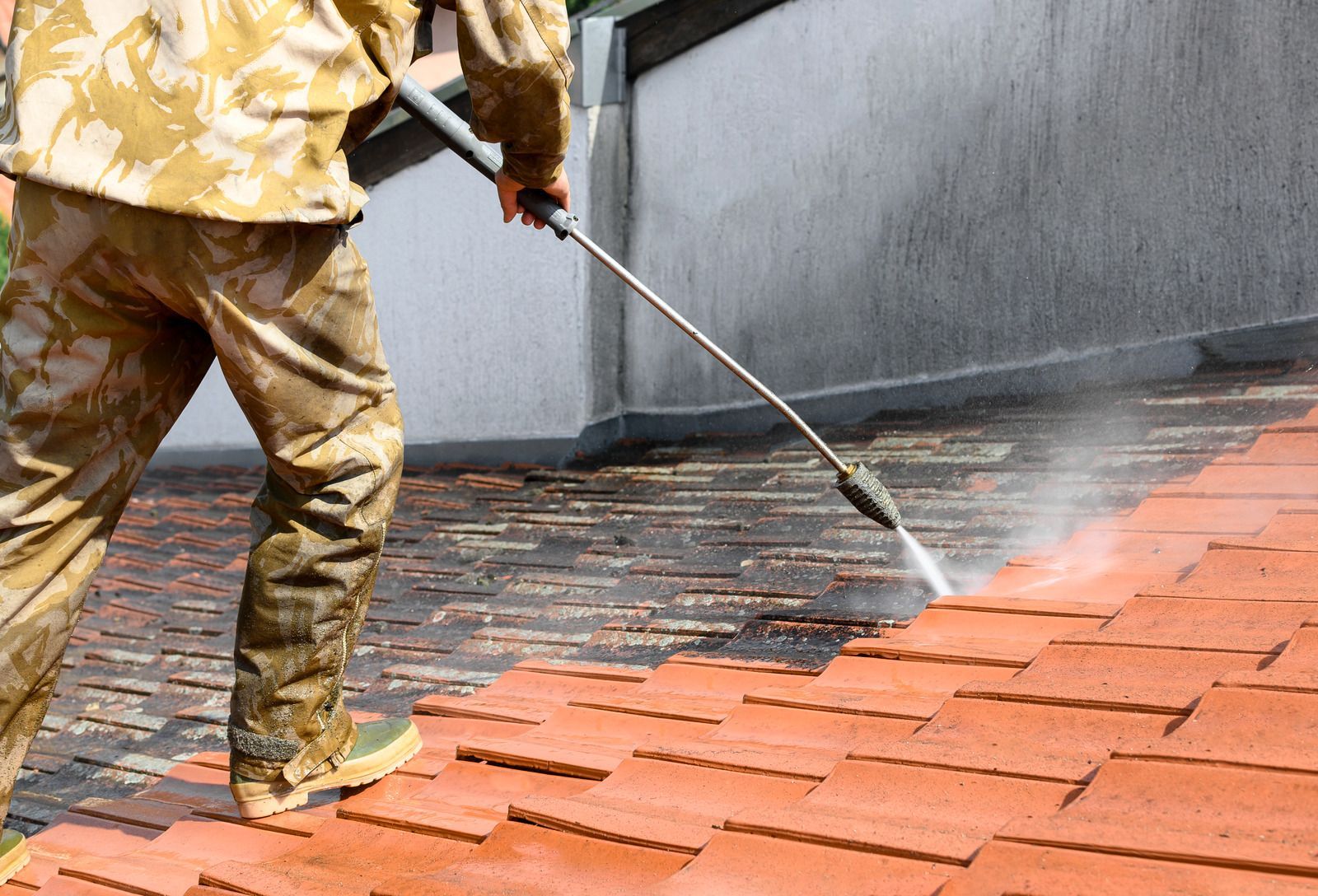
The first thing to understand is that cleaning and biocide do two different jobs. Cleaning physically removes the existing growth, taking off the moss, algae, and lichen that have already established. But removal does nothing about the future, the moment the roof is clear, new spores can begin the cycle again on the empty surface.
Biocide addresses that future. It does not just remove what is there; it makes the surface actively hostile to what comes next. Where cleaning is a one-off event, biocide is an ongoing effect that continues after the crew has left. This division of labour, remove now, prevent later, is why the two work best as a pair rather than either alone.
Killing Spores Before They Establish
Moss spreads through microscopic spores carried on the wind, which settle onto damp surfaces and, if conditions allow, germinate and grow. Biocide interrupts this at the earliest stage. By remaining active on the tile surface, it kills spores and early growth before they can establish into visible moss.
This is the heart of how biocide prevents regrowth. A spore landing on an untreated cleaned roof finds a receptive damp surface and takes hold. The same spore landing on a treated roof meets a surface that kills or inhibits it before it can develop. Multiply that across the countless spores landing over the months after a clean, and the result is a roof that stays clear because new growth is being stopped continuously at the point it tries to start.
Tip: Think of biocide as a shield that fades slowly rather than a one-time spray. Its protective effect is strongest soon after application and gradually weakens over time as it is worn by weather. This is why occasional top-ups keep a shaded, regrowth-prone roof protected, renewing the shield before it fades enough for moss to gain a foothold.
Why the Ongoing Action Matters
The feature that makes biocide effective is that it keeps working over time, not just on the day. A single wash of anything would do little, because spores land continuously and conditions for growth persist. Biocide's value is its persistence: it remains active on the surface for months, so it is present and working whenever new spores arrive.
This ongoing action is also why the results of a treated clean keep improving after the visit. As the biocide continues to kill residual and returning growth, the tiles keep clearing and stay clear, long after the cleaning itself is finished. A Roof Cleaning with biocide aftercare is, in effect, working for you for months, quietly preventing the regrowth that would otherwise have started within weeks.
Supporting the Biocide
Biocide does the central work of preventing regrowth, but a few things help it along. Because moss needs moisture, anything that helps the roof dry faster reduces the pressure on the biocide. Cutting back overhanging branches lets in light and air, and keeping the roofline clear of debris removes material that holds damp and feeds growth. Clearing the Gutter Cleaning stops the roof edge staying permanently saturated.
Together, a biocide that kills returning growth and conditions that let the roof dry faster form a strong defence against moss coming back. In our 15 years on Sussex roofs, the roofs that stay clear longest combine biocide protection with clear gutters and reduced shade, so the treatment is working with the conditions rather than against them.
Biocide prevents moss from returning by staying active on the tile surface for months after cleaning, killing spores and early growth before they can establish. Rather than removing moss like cleaning does, it makes the surface hostile to new colonisation, so spores that land struggle to take hold. This ongoing action is why a treated roof stays clear far longer than one that is only cleaned.
Frequently Asked Questions
How does biocide stop moss without me seeing it work?
Biocide works invisibly at the microscopic level, killing spores and early growth before they become visible moss. You do not see moss being removed because it is being stopped before it ever establishes. The visible sign that it is working is the absence of returning growth, a roof that stays clear for far longer than an untreated one would, rather than any dramatic effect you can watch.
Does biocide remove existing moss or only prevent new growth?
Its main role is preventing regrowth, but it also continues to kill residual growth left after cleaning, including stubborn lichen that survives the initial clean. The bulk of existing moss is removed by the cleaning itself; the biocide then deals with what remains and, most importantly, stops new growth establishing. So it does both, but its distinctive value is in prevention.
Why does moss come back quickly without biocide?
Because cleaning removes the moss but not the airborne spores or the shade and damp that let it grow. On an untreated cleaned roof, new spores settle onto the receptive surface and establish, often within a year or two on a shaded, damp roof. Biocide prevents this by killing those spores as they arrive, which is why a treated roof stays clear so much longer.
Does biocide need reapplying to keep preventing moss?
Its protective effect is strongest after application and fades gradually over time as weather wears it. On shaded, damp, regrowth-prone roofs, occasional top-ups renew the protection before it weakens enough for moss to return. How often depends on the roof's conditions. A visual check each spring and autumn shows when growth is starting to return and a top-up or clean is due.
Will biocide alone keep my roof clear without cleaning first?
Biocide is designed to work on a cleaned surface, preventing regrowth rather than removing established growth. Applying it to a roof still covered in moss would not clear the existing growth effectively. The bulk must be removed by cleaning first, then the biocide keeps the cleared roof clear. The two steps work together; the biocide is the preventative half of the pair.
Stop moss coming straight back — Book a no-contact clean finished with a non-toxic biocide that keeps working for months. Ben's Roof Cleaning includes a free inspection and patch test. Call 0117 456 2272.
Prevention That Keeps Working
Biocide prevents moss from returning by doing something cleaning cannot: staying active on the tile surface for months and killing spores before they establish. Where cleaning removes the growth that is already there, biocide makes the cleared surface hostile to the new growth constantly trying to start, stopping it at the earliest stage. Its persistence is the point, it is present and working whenever fresh spores land, which is why a treated roof stays clear long after an untreated one would have greened up again. Combined with clear gutters and reduced shade, it is the mechanism that turns a clean into a lasting one.