Caring for Period Roofs in Bristol: A Clifton to Redland Guide
Few cities wear their history on the skyline quite like Bristol. From the honey coloured Georgian terraces of Clifton to the long Victorian streets of Redland, Cotham and Bishopston, and the famous colourful rows climbing the hills of Totterdown and Bedminster, the roofs above these homes are as much a part of the character as the front doors. They are also, in many cases, more than a hundred years old. That age brings charm, and it brings responsibility. Cleaning and maintaining a period roof is not the same job as looking after a modern estate house, and getting it wrong can cost far more than getting it right.
This guide walks Bristol homeowners through what makes older roofs different, why they attract so much moss in this part of the country, and how to keep them clean and sound without causing damage. Whether you own a Georgian townhouse or a two up two down terrace, the principles are the same: understand the materials first, then clean gently.
The quick answer: Period Bristol roofs are usually covered in Welsh slate or clay tiles that are brittle with age, so they should be cleaned with low pressure soft washing rather than a pressure washer, and the surrounding stonework, valleys and gutters should be checked at the same time.
1. Bristol's period housing, from Georgian Clifton to Victorian Redland
Bristol's building boom stretched across two great eras. The Georgian period, roughly 1714 to 1837, gave the city the elegant, symmetrical terraces of Clifton and Queen Square, many faced in pale Bath stone. The Victorian era that followed, from 1837 to 1901, filled areas such as Redland, Cotham and Bishopston with bay fronted terraces and more decorative brickwork.
Those decades of expansion mean that a very large share of Bristol's housing is genuinely old. The roofs sitting on top of these homes have weathered well over a century of damp south west winters. Even where slates or tiles have been replaced over the years, the underlying structure, the timbers and the chimney stacks often date back to the original build.
For a homeowner, the practical takeaway is simple. You are almost certainly not looking after a roof designed for a jet wash. You are looking after a hand made covering that was built to shed rain gently and last for generations, provided it is treated with respect.
2. Why older Bristol roofs are so prone to moss
Bristol sits in a mild, damp pocket of the country. The city averages around 824 millimetres of rain a year, with October and November the wettest months, and its temperate oceanic climate means moisture lingers rather than baking off. That is close to perfect growing weather for moss, algae and lichen.
Older roofs make an even better home for them. Decades of weathering leave slate and clay slightly porous and textured, giving spores something to grip. Many period streets are also lined with mature trees, from the Clifton Downs to the leafy avenues of Redland, which shade roofs and drop debris that holds moisture against the tiles.
Left alone, that green blanket does more than look untidy. As moss thickens it traps water on the surface, works into the gaps between slates, and pushes fragments into gutters. On an old roof where the materials are already brittle, that constant dampness speeds up wear and can lift or crack individual tiles.
3. Welsh slate: the classic Bristol roof covering
Walk almost any Victorian street in Bristol and you will see slate overhead. Welsh slate was shipped across the country during the nineteenth century and became the standard covering for terraced housing, prized for being thin, light and long lasting. A well laid slate roof can serve for a hundred years or more.
The catch is that slate becomes fragile as it ages. Old slates delaminate, meaning they flake into thin layers, and the iron nails that hold them can rust and fail in a process roofers call nail sickness. A slipped or missing slate is a common sight on older Bristol homes and a clear sign the covering needs attention.
Because of that fragility, slate should never be walked on carelessly or blasted with high pressure water. Cleaning is best done from ladders or a platform, using gentle methods that lift moss and dirt without dislodging the slates or driving water up underneath them.
4. Clay tiles and the details that need care
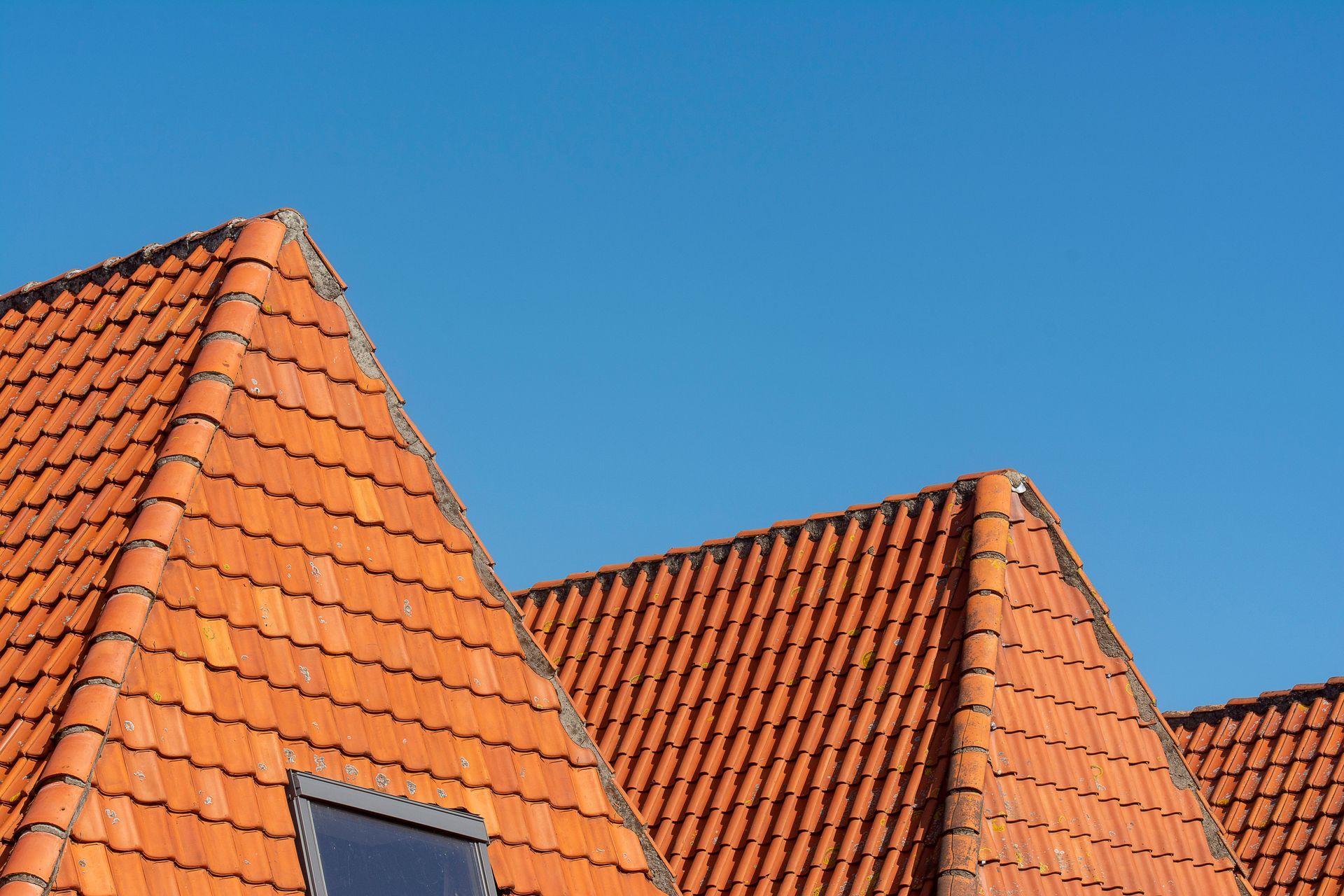
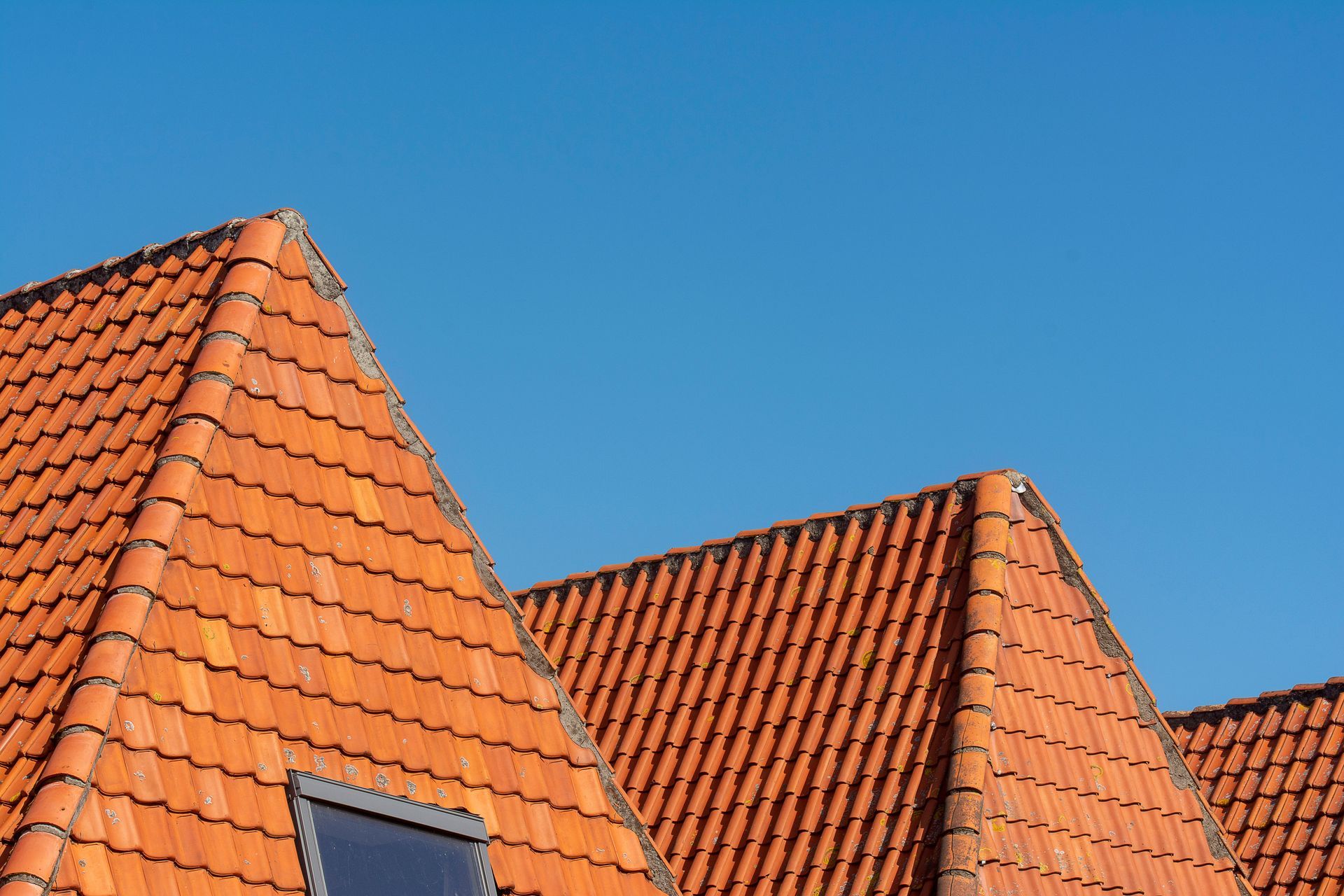
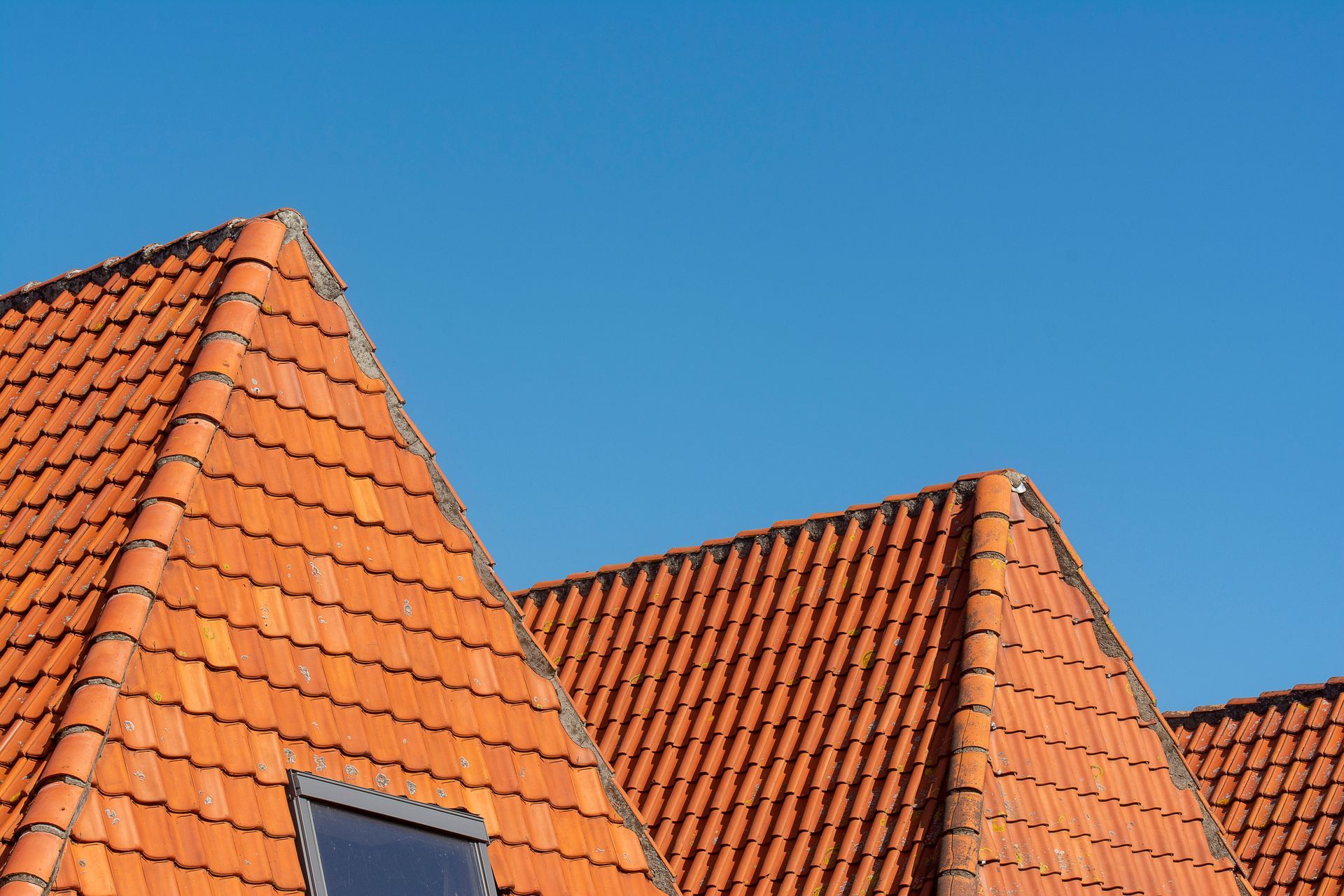
Alongside slate, Bristol has plenty of clay tiled roofs, especially on later Victorian and Edwardian homes. Clay ages differently to slate. It can develop a soft, weathered surface that moss clings to readily, and individual tiles can become brittle and crack, particularly after a hard frost.
The vulnerable points on any older roof are the details rather than the open slopes. Ridge tiles bedded in old lime or cement mortar can work loose. Valleys where two slopes meet collect leaves and moss and are prone to blockages. Lead flashing around chimneys and against walls can lift or split with age.
A proper clean takes all of this into account. Clearing moss from the main slopes is only worthwhile if the ridges, valleys and flashings are checked at the same time, because a single failed detail can let water in even when the rest of the roof looks spotless.
5. Why soft washing suits period roofs
Soft washing is exactly what it sounds like. Instead of relying on brute force, it uses low pressure water together with a treatment that kills moss, algae and lichen at the root. On a fragile old roof, this is the sensible choice, because it cleans thoroughly without hammering brittle slate and clay.
Pressure washing, by contrast, can do real harm to a period covering. A powerful jet can crack tiles, strip the weathered surface from clay, force water under slates and wash out the mortar holding ridges in place. On a roof that has stood for a century, that is a fast way to turn a cleaning job into a repair bill.
The other advantage of a biocide treatment is that it keeps working after the visible moss is gone. It continues to break down spores on the surface for months, which slows regrowth and means the roof stays cleaner for longer between visits.
6. Looking after the whole roof system
A period roof is a system, not just a surface. The slates or tiles shed water, the gutters carry it away, and the stonework and pointing keep it out of the walls. Neglect one part and the others suffer. Bristol's older homes, many faced in Bath stone or local Pennant sandstone, are especially sensitive to water that spills where it should not.
Blocked gutters are the classic culprit. When moss and leaf litter dam up a gutter, rainwater overflows down the wall, saturating the stonework and, over time, showing up as damp patches inside. On a hilly, tree lined street the leaf load in autumn can be heavy, so gutters need clearing more often than many owners expect.
Here are the signs that a period Bristol roof is asking for attention:
- Thick moss on the slopes that is visibly dropping into gutters or onto paths below.
- Slipped, cracked or missing slates and tiles , often easiest to spot after a windy spell.
- Green streaks or overflow stains running down the wall beneath a gutter.
- Loose or crumbling ridge tiles along the top of the roof.
- Plant growth in the gutters , a sure sign they are full of trapped debris.
7. When to bring in a professional
Some jobs are fine for a confident homeowner, such as clearing an accessible ground floor gutter. Working at height on a fragile, valuable period roof is not one of them. The combination of ladders, brittle materials and Bristol's steep streets makes it genuinely risky, and the cost of a dropped slate or a cracked ridge quickly outweighs any saving.
A professional brings the right access equipment, knows how to move on and around old coverings without causing damage, and can spot the early warning signs that an untrained eye misses. Just as importantly, a specialist uses the gentle soft washing approach that period roofs need rather than reaching for a pressure washer.
For homes that have stood since the Georgian or Victorian age, that care is an investment. A roof that is cleaned properly and checked regularly will keep doing its job quietly for decades more.
Frequently Asked Questions
Will cleaning damage the slates on my Victorian terrace?
Not if it is done correctly. Avoid pressure washing, which can crack or dislodge old slates. A low pressure soft wash lifts moss and dirt gently and is the safe method for aged coverings.
How often should a period roof in Bristol be cleaned?
It varies with shade and tree cover, but many older Bristol roofs benefit from a professional clean every few years. Streets lined with mature trees, or roofs on the shaded side, tend to need attention more often.
Is moss actually harming my roof or just looking untidy?
Both. Moss traps moisture against brittle slate and clay, works into the joints, and blocks gutters. On an old roof that dampness accelerates wear, so it is worth removing rather than ignoring.
Should the gutters be done at the same time as the roof?
Yes. Roof cleaning loosens moss and debris that ends up in the gutters, so clearing them together makes sense and protects the stonework below from overflow and damp.
Can I just knock the moss off myself with a stiff brush?
It is best not to. Scraping at height risks damaging fragile tiles and is dangerous on Bristol's steep streets. A treatment that kills the moss at the root is more effective and far safer.
Own a period home in Bristol?
Ben's Roof Cleaning looks after Georgian and Victorian roofs across Bristol and the surrounding area, with over 15 years of experience and a gentle soft washing approach. Get in touch or call 0117 456 2272
for a free, no-obligation quote.
Old roofs deserve a gentle hand
Bristol's Georgian and Victorian roofs have already outlasted several generations of owners, and with the right care they will outlast several more. The key is to respect what they are made of. Treat brittle slate and clay gently, clean with low pressure rather than brute force, and keep the gutters and stonework in good order so water always goes where it should. Do that, and the roof over your period home will keep its looks and its strength for many years to come.