Why Bristol Roofs Grow So Much Moss (Blame the Weather)
If you have ever looked up at your roof in Bristol and wondered why it is turning green faster than a friend's place elsewhere in the country, you are not imagining it. Bristol sits in one of the milder, damper corners of England, and the weather here is close to ideal for moss, algae and lichen. Add in the city's leafy hills and mature street trees, and many roofs never really get the chance to dry out.
Understanding why this happens is the first step to dealing with it sensibly. This article explains the local conditions that make Bristol roofs such a welcoming home for moss, what that growth actually does to your tiles and gutters, and the practical steps that keep a roof clean for longer. None of it is complicated, but a little local knowledge goes a long way.
The quick answer: Bristol's mild, wet, temperate climate keeps roofs damp for much of the year, and shade from the city's hills and trees stops them drying out, which is exactly the combination moss and algae need to thrive.
1. Bristol's damp, mild climate is a moss paradise
Bristol has a temperate oceanic climate, which in plain terms means mild winters, cool summers and rain spread right across the year. The city averages around 824 millimetres of rainfall annually, and its wettest months are October and November. Crucially, it rarely gets cold enough for long enough to kill off surface growth, or hot and dry enough to bake it away.
Moss and algae love that steady dampness. They do not need much to get started, just moisture, a surface to cling to and a bit of shade. In a climate where the tiles are wet more often than they are bone dry, spores that land on a roof find everything they need to take hold and spread.
This is why roofs in the south west often look greener than those in drier eastern counties. It is not that Bristol homeowners are neglectful. It is simply that the local weather does much of the work for the moss.
2. Why shade and trees make it worse
Rainfall is only half the story. The other half is how quickly a roof dries once the rain stops, and that comes down to sunlight and airflow. A slope that faces north, or one shaded by a neighbouring building or a tall tree, stays damp far longer than a sunny, open south facing roof.
Bristol is a green, hilly city with plenty of mature trees, from the Downs and Leigh Woods to the leafy avenues of Redland and Henleaze. Lovely to live among, but those same trees shade roofs and shed leaves, twigs and sap that settle on the tiles and hold moisture against them.
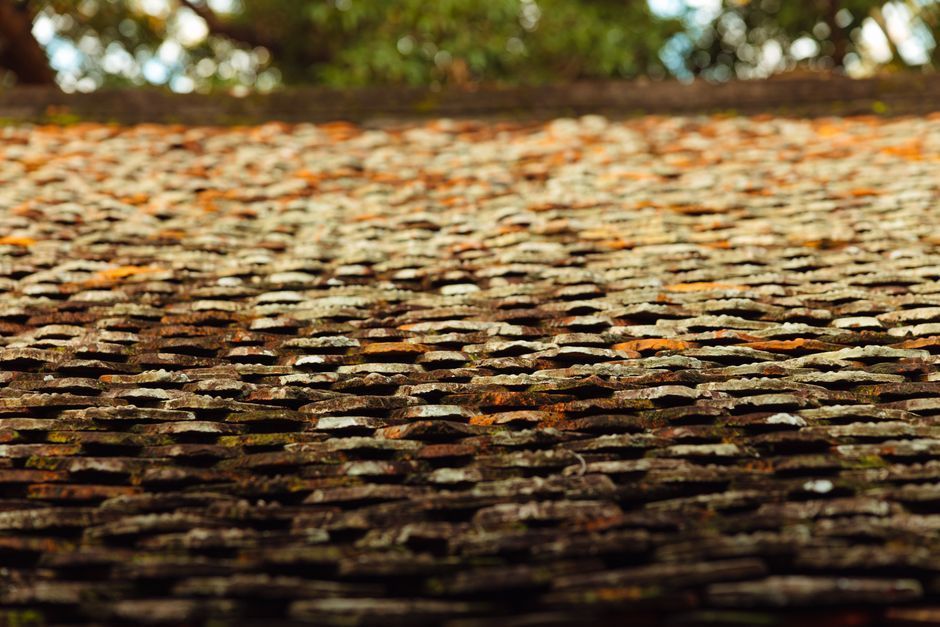
You can often see the effect on a single house. The shaded, tree side of the roof will be thick with moss while the sunnier side is comparatively clear. That contrast is a clear sign that shade and moisture, not bad luck, are driving the growth.
3. What moss actually does to your roof
A light dusting of algae is mostly a cosmetic issue, showing up as dark streaks or a green tinge. Moss is a bigger problem, because it grows into a thick, spongy mat that holds water like a sponge and sits directly on the surface of your tiles.
That trapped moisture is the real damage. It keeps tiles wet, works into the gaps and overlaps, and in freezing weather the water expands as it turns to ice, which can crack tiles and open up joints. Over the years this constant wet and freeze cycle wears a roof down faster than it should.
Moss also travels. As clumps grow and break away, they slide down into the gutters and downpipes, where they build up and cause blockages. A roof left to green over is often the hidden reason behind gutters that overflow every time it rains.
4. The knock on effect for gutters and walls
Once moss and debris block a gutter, rainwater has nowhere to go but over the edge. It spills down the outside wall instead of draining away, and in a wet city like Bristol that means the wall stays saturated for long stretches.
Persistent damp on an external wall eventually finds its way inside. Homeowners often first notice it as a musty smell, a tide mark on internal plaster, or peeling paint on the wall beneath an overflowing gutter. What began as a bit of moss on the roof becomes a damp problem in the living room.
This is why roof cleaning and gutter clearing go hand in hand. Removing the moss up top reduces the debris that clogs the gutters, and clearing the gutters protects the walls below. Treating them as one job saves trouble later.
5. Which Bristol roofs are most at risk
Some roofs are far more likely to green over than others, and it usually comes down to a few local factors. Knowing whether yours is high risk helps you decide how often it needs checking.
- North facing slopes that get little direct sun and stay damp for most of the day.
- Roofs under or beside mature trees , which are shaded and constantly showered with leaves and debris.
- Older, textured coverings such as weathered clay or aged slate that give spores an easy grip.
- Homes in sheltered valleys or dips where air moves less and moisture hangs around.
- Roofs that have not been cleaned in years , where an established moss mat simply keeps thickening.
If your home ticks several of these boxes, it is worth keeping a closer eye on the roof and factoring in more regular cleaning. Prevention is always cheaper than repair.
6. Keeping a Bristol roof clean for longer
The good news is that you are not helpless against the local weather. The most effective approach is a professional soft wash, which uses low pressure water and a biocide treatment to kill the moss, algae and lichen at the root rather than just scraping off the surface.
The reason soft washing works so well here is that the treatment carries on doing its job after the visible growth is gone. It keeps breaking down spores on the tile surface for months, which slows the inevitable regrowth that Bristol's climate encourages. That means longer gaps between cleans and a roof that stays looking tidy.
Alongside cleaning, a few simple habits help. Keep overhanging branches trimmed back where you safely can, have the gutters cleared regularly, and get the roof looked at every so often so small problems are caught early. In a damp climate, staying ahead of the moss is far easier than clearing a thick, established mat.
7. Why the gentle method matters most here
It can be tempting to attack a green roof with a pressure washer, but that is a mistake, especially in Bristol where so many homes have older slate and clay coverings. High pressure water can crack tiles, strip their weathered surface and force water underneath, causing more harm than the moss ever would.
A gentle, low pressure approach cleans just as thoroughly without that risk. Because the biocide does the heavy lifting by killing the growth rather than blasting it away, the tiles are never subjected to force they were not built to take. For a roof that has to face this climate year after year, that care makes all the difference.
Frequently Asked Questions
Why is my roof greener than my neighbour's?
It usually comes down to shade and orientation. A north facing or tree shaded slope stays damp far longer than a sunny one, so it grows moss faster even on the same street.
Does moss really damage the roof or is it just cosmetic?
Thick moss does cause damage. It traps moisture against the tiles, works into the joints, and can crack tiles in freezing weather. It also blocks gutters, so it is worth removing.
How often will moss come back in Bristol?
The damp climate means some regrowth is inevitable, but a proper soft wash with a biocide treatment slows it significantly, often keeping a roof clear for a few years rather than months.
Will cutting back my trees stop the moss?
Trimming overhanging branches helps by letting in more light and air and reducing debris, but it will not stop moss entirely in a climate this damp. It is a useful step alongside cleaning, not a replacement for it.
Is it safe to clean the roof myself?
Working at height is risky, and pressure washing can damage tiles. A professional soft wash is safer and more effective, particularly on Bristol's older slate and clay roofs.
Is your Bristol roof turning green?
Ben's Roof Cleaning treats moss and algae on roofs across Bristol and the surrounding area, with over 15 years of experience and a safe soft washing method. Get in touch or call 0117 456 2272
for a free, no-obligation quote.
The weather is the reason, but not the whole story
Bristol's mild, wet climate and green, hilly setting mean moss will always find a foothold on local roofs. That is simply the trade off for living in such a pleasant, leafy city. The part you can control is how you respond. A gentle, professional clean that kills the growth at the root, paired with regular gutter clearing and a bit of tree trimming, keeps the weather from getting the upper hand. Stay ahead of it, and your roof will look after your home for many years without the green taking over.